Ilya Kutuzov
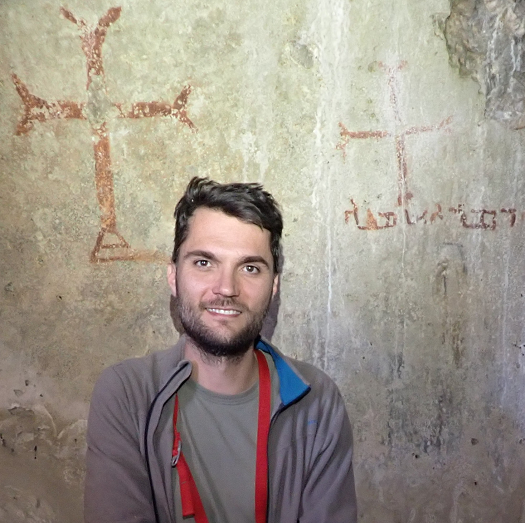
Research Scientist





About
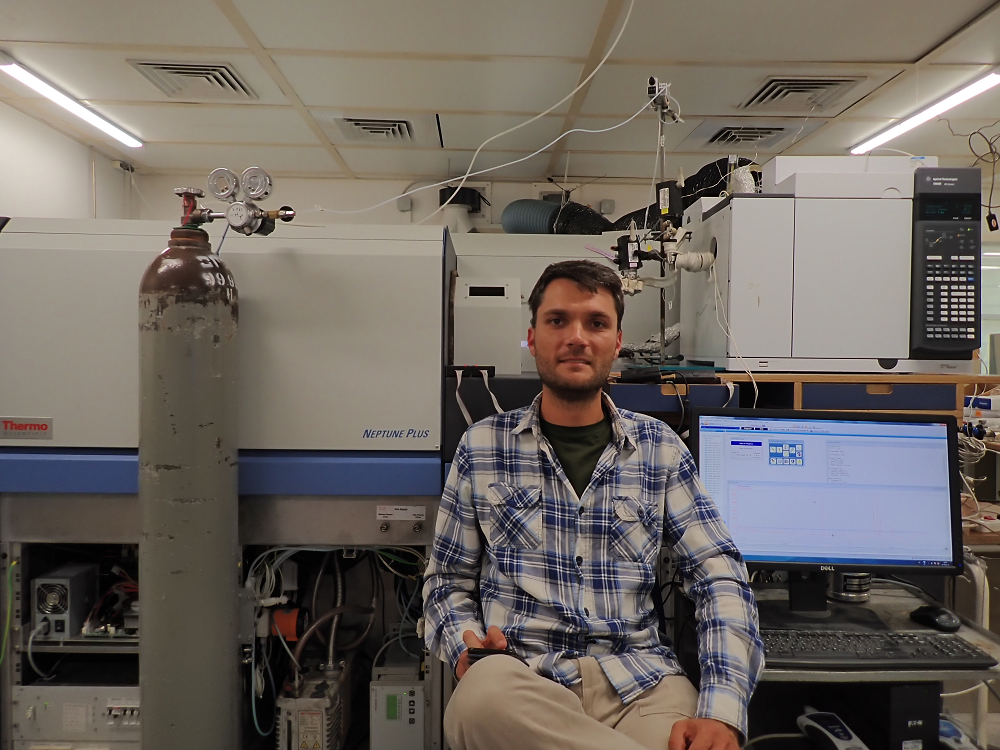
I am an environmental chemist passionate about combining experimental laboratory work with fieldwork. I am currently analyzing data and preparing manuscripts from my recent research on the abiotic formation of volatile organic sulfur compounds (VOSC) in aqueous solutions. Identifying these abiotic pathways provides critical insights into early Earth processes and the origin of life, as specific VOSC have been shown to facilitate peptide bond formation.
Alongside my research, I serve as an adjunct lecturer at the Open University of Israel.
Research interests
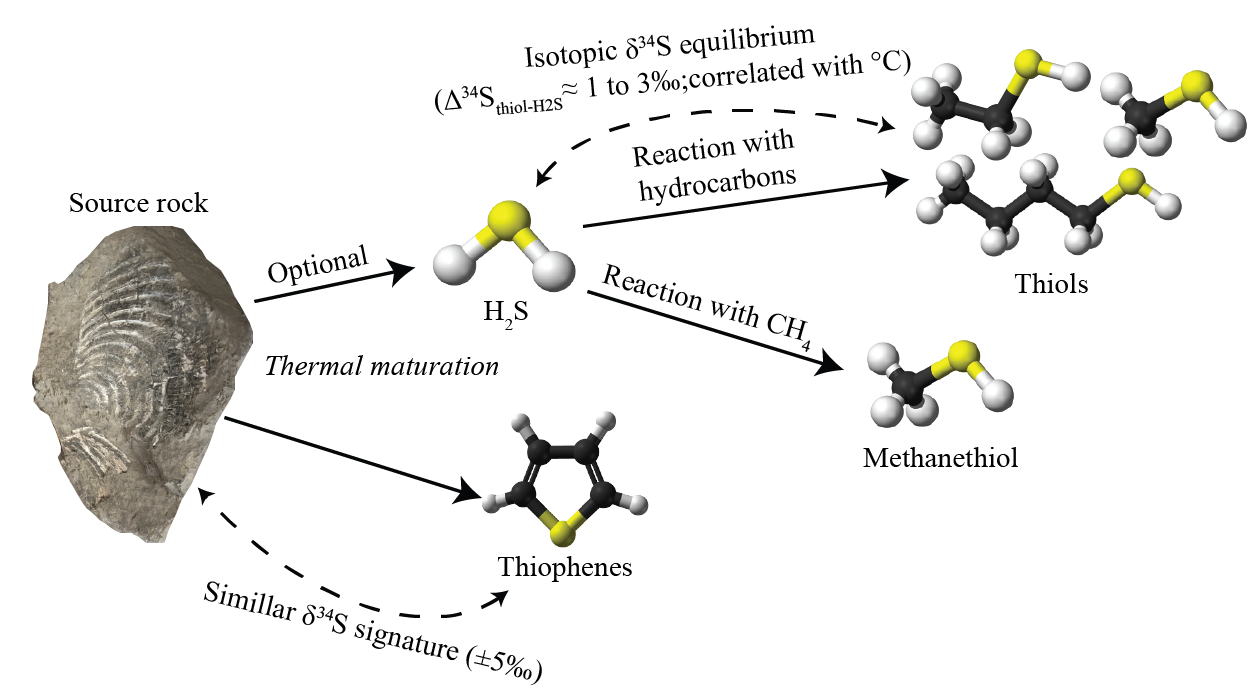
- Abiotic synthesis of organic sulfur compounds and their role in the emergence of life on Earth.
- Evolution of biomarkers in organic matter from the Paleozoic Era with emphasis on anoxic environments.
- The sulfur and carbon cycles in the subsurface from processes during diagenesis of organic matter up to formation of sulfur-compounds during catagenesis and cracking of fossilized organic matter.
Publications
- B. Langford, I. Kutuzov, A. Frumkin, E. Ben-Yosef; Copper mines in the Araba Valley (SE Israel & SW Jordan): Spatial distribution, site typology and new discoveries. Journal of Arid Environments, 233, 105557, 2026. DOI
- B. Langford, A. Vaks, I. Kutuzov, J. Keinan, T. Golan, T. Zilberman, G. Yasur, N. Morag, Y. Ebert, O. Gaster, R. Ben-Yair, M. Ullman, A. Frumkin; From hypogenic to biogenic speleogenesis in semi-arid climate: Bat guano-driven carbonate weathering and cave modification in Chariton Cave, Israel. Geomorphology, 483, 109815, 2025. DOI
- C. Cai, I. Kutuzov, W. Mei, D. Wang, B. Luo, S. Huang, B. He, A. Amrani; Chemical, carbon and sulfur isotopic compositions constrain the origin of Upper Carboniferous-Lower Triassic gases in eastern Sichuan Basin, SW China. Science China Earth Sciences, 67, 3169-3185, 2024. DOI
- D. Wang, I. Kutuzov, H. Zhang, Z. Cao, Q. Wang, A. Amrani, C. Cai; Application of sulfur isotopes of volatile organic sulfur compounds to determine the natural gas secondary alterations and possible sources in the Tarim Basin, NW China. Marine and Petroleum Geology, 169, 107078, 2024. DOI
- I. Kutuzov, Q. Xiao, A. Amrani; Gas-phase reaction of CH4 and H2S – Evidence from pyrolysis experiments and case study from the Sichuan Basin. Organic Geochemistry, 194, 104826, 2024. DOI
- M. Rubin-Blum, Y. Yudkovsky, S. Marmen, O. Raveh, A. Amrani, I. Kutuzov, T. Guy-Haim, E. Rahav; Tar patties are hotspots of hydrocarbon turnover and nitrogen fixation during a nearshore pollution event in the oligotrophic southeastern Mediterranean Sea. Marine Pollution Bulletin, 197, 115747, 2023. DOI
- I. Kutuzov, Q. Xiao, C. Cai, A. Amrani; Formation of volatile organic sulfur compounds by low thermal maturation of source rocks: A geochemical proxy for natural gas. Marine and Petroleum Geology, 158, 106531, 2023. DOI
- I. Kutuzov, D. Wang, C. Cai, A. Amrani; Tracking the origin of Ordovician natural gas in the Ordos Basin using volatile sulfur compounds. Marine and Petroleum Geology, 157, 106488, 2023. DOI
- Q. Xiao, I. Kutuzov, W. Said-Ahmad, Y. Duan, S. Cai, A. Amrani; Effect of thermal maturation on the isotopic compositions of volatile organic sulfur compounds released from a kerogen by hydrous and anhydrous pyrolysis. Journal of Analytical and Applied Pyrolysis, 171, 105971, 2023. DOI
- I. Kutuzov, W. Said-Ahmad, C. Turich, C. Jiang, N. Luu, T. Jacksier, A. Amrani; The molecular and sulfur isotope distribution of volatile compounds in natural gases and condensates from Alberta, Canada. Organic Geochemistry, 151, 104129, 2021. DOI
- I. Kutuzov, Y.O. Rosenberg, A. Bishop, A. Amrani; The origin of organic sulphur compounds and their impact on the paleoenvironmental record. In: Wilkes H. (eds) Hydrocarbons, Oils and Lipids: Diversity, Origin, Chemistry and Fate. Handbook of Hydrocarbon and Lipid Microbiology. Springer. 2019. DOI
- Y.O. Rosenberg, I. Kutuzov, A. Amrani; Sulfurization as a preservation mechanisem for the δ13C of biomarkers. Organic Geochemistry, 125, 66-69, 2018. DOI
- C. Gruber, I. Kutuzov, J. Ganor; The combined effect of temperature and pH on albite dissolution rate under far-from-equilibrium conditions. Geochimica et Cosmochimica Acta, 186, 154-167, 2016. DOI
Collaborative projects
Identification of a pollutant on the Israeli coast (“Tar pollution”)
In February 2021, amidst the Covid-19 pandemic, the Israeli coastline was covered by vast quantities of a tar-like pollutant. Rapid sampling and subsequent molecular and biomarker analysis allowed me to conclude, within days of the pollution event, that the pollutant was most likely crude oil rather than tar; this implied a different strategy for source-identification and treatment.
My findings were submitted to the Israeli Ministry of Environmental Protection (and later to the press), yet were originally ignored. A year later, the ministry published the result of its analysis and acknowledged the pollutant is indeed a crude oil.
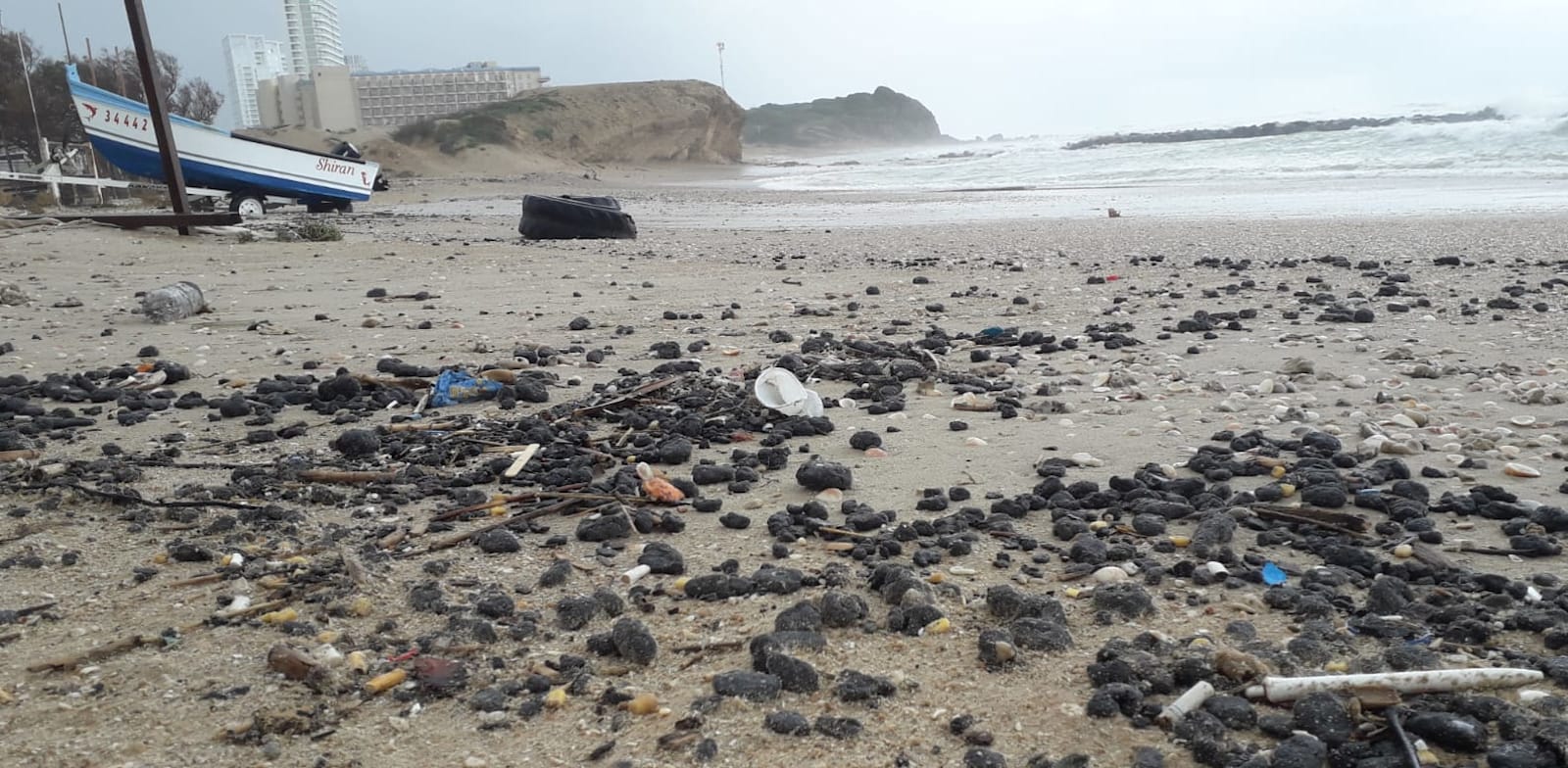 Photo from Calcalist
Protecting the Ayalon Cave
In late 2021, I was invited to speak at the Israeli Planning Administration (IPA) as part of a scientific panel focused on the importance of the Ayalon Cave. My presentation highlighted the risks faced by the local aquifer due to the introduction of organic-contaminants and heavy metals, and the subsequent change to the aquifer’s redox state- all of which were expected to occur due to the proposed construction of a railroad line and introduction the of runoff directly into the groundwater. The joint scientific effort led to changes in the original construction plan and the formation of a long-term monitoring project at the cave and the surrounding aquifer. A detailed story of this conservation campaign was published in Integrative Conservation.
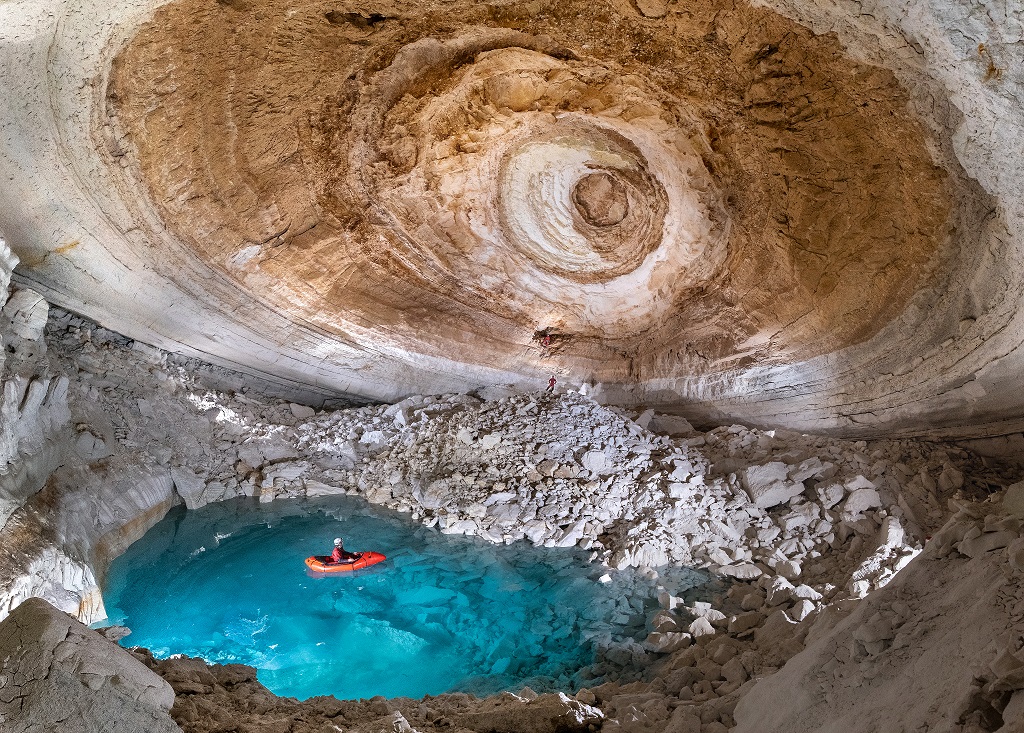 Photo by Boaz Langford
Study of an oil spill in arid condition
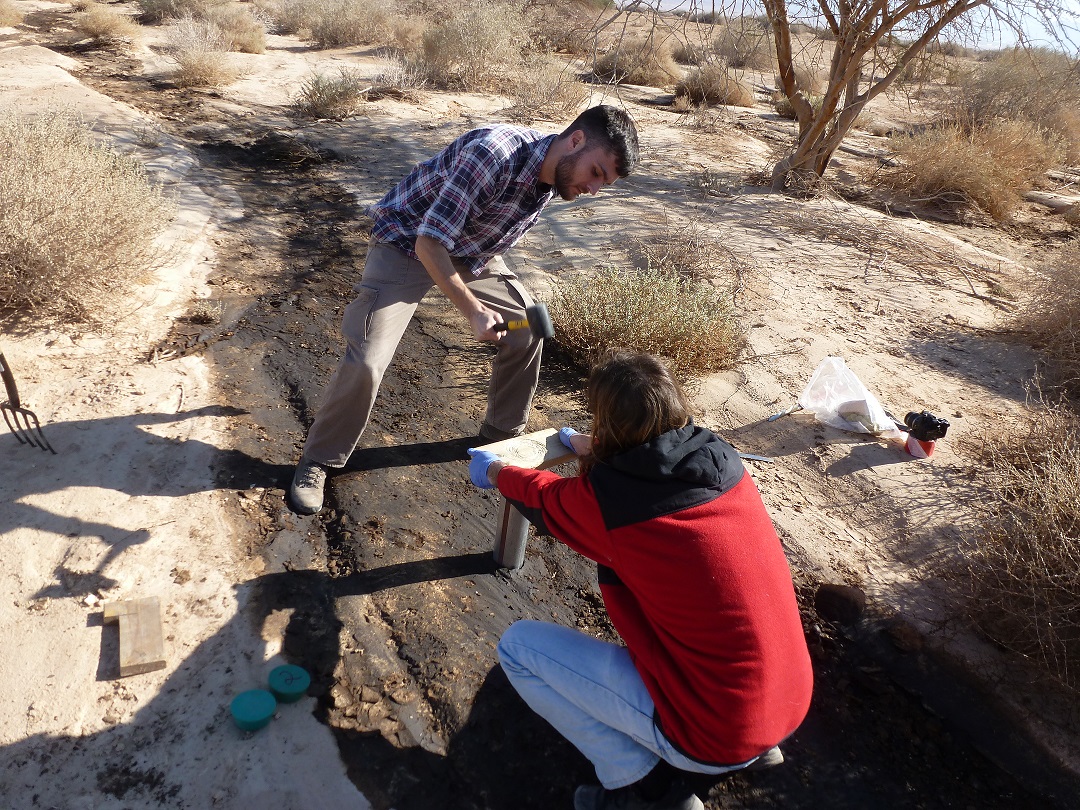
I was part of a research group that studied the chemistry of the oil spilled at the Evrona Nature Reserve. The group’s joint effort led to the identification of a previously unknown pollution event in the area and helped in understanding the mechanisms of oil degradation in the desert soil under arid conditions. The findings of this multi-year project were published in Nimrod Arvatz’s Msc work.
Community & Academic Outreach
I actively volunteer with the Mineralogy and Petrology collections at the National Natural History Collections (NNHC) and conduct speleological surveys-including work in Levana Cave-as a member of the Israeli Cave Research Center (ICRC).
Honors and awards